
Amazing Facts: 7 amazing facts about Israel

7 Amazing Facts About Israel
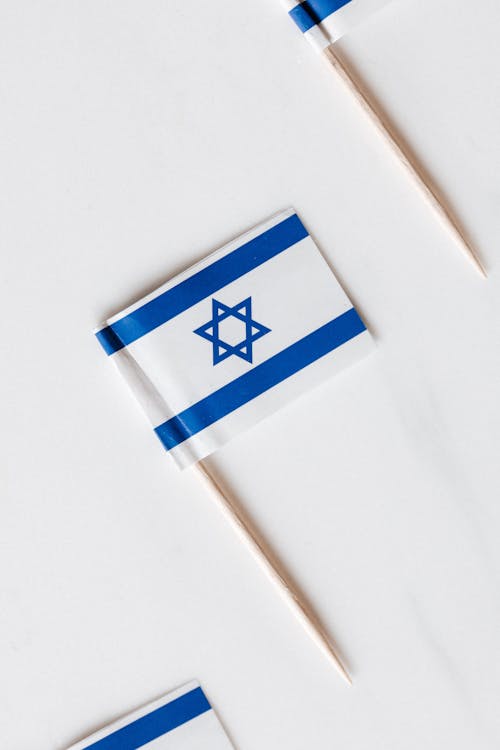
7 Amazing Facts About Israel

Courtsey: Pexels

Fact 1: Technological Innovation Hub

Israel is often referred to as the "Start-up Nation" due to its high concentration of technological innovation and entrepreneurship.

Fact 2: Diverse Landscapes

Despite its small size, Israel boasts diverse landscapes, including beaches along the Mediterranean Sea, the Negev Desert, and the Sea of Galilee.

Fact 3: UNESCO World Heritage Sites

Israel is home to several UNESCO World Heritage Sites, including the Old City of Jerusalem, Masada, and the Bahá'í Gardens in Haifa.

Fact 4: Tel Aviv's White City

Tel Aviv's White City, known for its collection of Bauhaus-style buildings, is a UNESCO World Heritage Site and a testament to modernist architecture.

Fact 5: Unique Dead Sea

The Dead Sea, located in Israel, is one of the saltiest bodies of water in the world, allowing people to effortlessly float on its surface.

Fact 6: Innovation in Agriculture

Israel is a leader in agricultural technology and is known for developing innovative methods, such as drip irrigation, to maximize water efficiency.

Fact 7: Rich Cultural Heritage

Israel has a rich cultural heritage, with influences from Judaism, Christianity, and Islam, making it a significant historical and religious center.

#rg
#rgdimension
#rgdimensions
#amazing_facts_rgdimension
#amazing_facts_israel

Popular posts from this blog

25 Angular Intermediate Interview Questions & Answers | RG Dimension

25 Angular Intermediate Interview Questions and Answers (2025 Edition) | rgdimension 25 Angular Intermediate Interview Questions & Answers (Updated for Angular 17–18) Concise, clear answers covering modern Angular (standalone components, signals, inject(), hydration, control-flow, DI, RxJS, performance, and testing). Courtsey: Pexels 1. What are standalone components and when should you use them? Standalone components (introduced and stabilized in recent Angular releases) allow components, directives, and pipes to be declared without NgModules; they declare their own dependencies via the standalone: true flag and import array, which simplifies app structure, reduces boilerplate, and makes lazy-loading and micro-frontends easier — prefer standalone components for new features and greenfield apps while incrementally migrating module-based code when beneficial. /* e...

CSS Flexbox: Understanding the basics

Understanding CSS Flexbox: A Complete Guide Understanding CSS Flexbox: A Complete Guide What Is Flexbox? Flexbox, or the Flexible Box Layout, is a CSS layout module designed to align and distribute space among items in a container, even when their sizes are dynamic or unknown. It simplifies creating responsive and flexible web designs. Why Use Flexbox? Flexbox eliminates complex float and positioning hacks. It allows developers to easily align elements vertically and horizontally and to control spacing, order, and responsiveness effortlessly. How Flexbox Works When you apply display: flex; to a container, it becomes a flex container. All its direct children become flex items that follow the Flexbox rules for layout a...

Angular Interview Question Cheat Sheet | RG Dimension

Top 40 Angular Intermediate Interview Questions and Answers (2025) | rgdimension Top 40 Angular Intermediate Interview Questions and Answers (2025) 1. What are Lifecycle Hooks in Angular? Lifecycle hooks allow developers to tap into key moments of a component's life, such as creation, change detection, and destruction. ngOnInit() – runs once after component initialization ngOnChanges() – called when input properties change ngOnDestroy() – called before a component is destroyed 2. What is ViewEncapsulation in Angular? It defines how CSS styles are applied to components. Options include: Emulated (default) – styles scoped to the component None – global styles ShadowDom – uses native Shadow DOM 3. What is ChangeDetectionStrategy? It controls how Angular checks for changes in components: Default: che...